Domain I: Listening
Dynamics
In the realm of music notation, dynamics pertain to the volume or intensity of a musical sound. They delineate how loud or soft a note or passage should be played. Dynamics are communicated through a variety of symbols, terms, and abbreviations in sheet music. These markings are positioned above or below the staff, providing performers with guidance on how to interpret and perform the music.
Some commonly used dynamic symbols include:
Pianissimo (pp): Indicates that the music should be played very softly.
Piano (p): Indicates that the music should be played softly.
Mezzo piano (mp): Indicates that the music should be played moderately soft.
Mezzo forte (mf): Indicates that the music should be played moderately loud.
Forte (f): Indicates that the music should be played loudly.
Fortissimo (ff): Indicates that the music should be played very loudly.
Crescendo (cresc.): Indicates that the music should gradually increase in volume.
Decrescendo (decresc.): Indicates that the music should gradually decrease in volume.
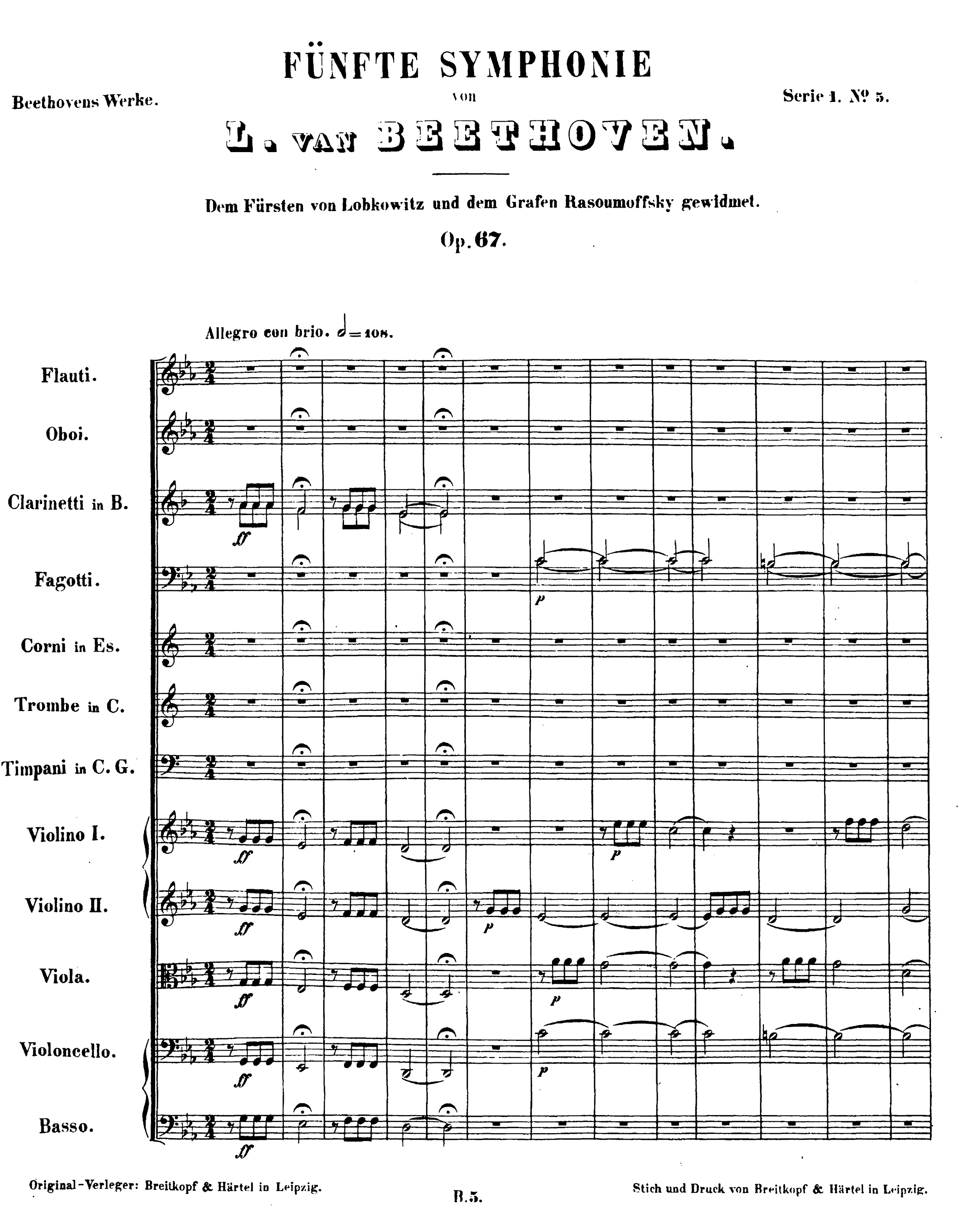
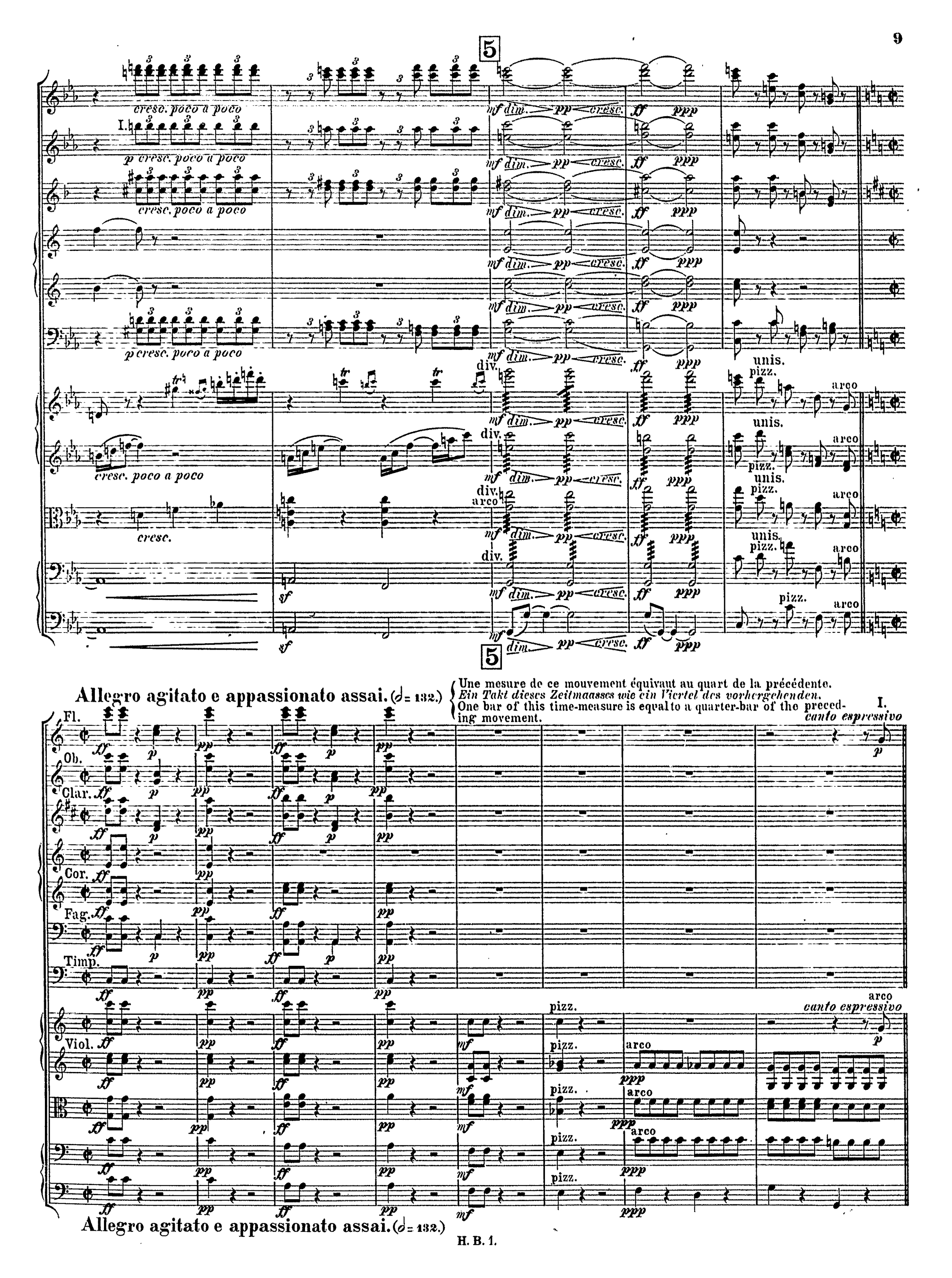
Dynamics are pivotal in molding the emotional and expressive essence of a musical composition. They serve to instill contrast and diversity in the auditory experience, capable of evoking various moods and sentiments. The choice of instrument further influences the portrayal of emotions, contributing to the multifaceted nature of musical expression.
TESTING TIP:
During the exam, you should anticipate encountering listening excerpts where you'll be required to discern the dynamic progression they follow. For instance, you might encounter an excerpt starting at a piano (p) level that gradually builds to a mezzo-forte (mf) intensity over the span of three beats in a measure, that. suddenly goes to forte (f) in. the 2nd measure. These excerpts may vary in length, typically ranging from 4 to 6 measures.
Dynamics in Music History
In Baroque music, explicit dynamic markings are infrequently noted in the score. However, this absence does not imply that dynamics were insignificant during the Baroque era. Historical evidence indicates that dynamic variations, transitions, and accents were indeed integral to Baroque compositions.
Early instances of dynamic notations can be traced back to the works of pioneering Baroque composers such as Giovanni Gabrieli, Johann Hermann Schein, and Heinrich Schütz. During the early Baroque period, written dynamic instructions primarily served to guide the ensemble as a whole toward playing softer or louder. In the later Baroque period, specific task were assigned to dynamics. Vivaldi wanted the violas to imitate barking dogs, and indicated a forte on their part, while all the other instruments were assigned a piano marking.
terraced dynamics - refers to a characteristic feature of Baroque music, particularly associated with keyboard instruments like the harpsichord and organ. In terraced dynamics, changes in volume occur abruptly, moving from one level to another without gradual transitions. Instead of a smooth crescendo or decrescendo, terraced dynamics involve sudden shifts between loud and soft dynamics, creating a distinct contrast in intensity. This approach to dynamic was typical in Baroque compositions, where performers would switch between different dynamic levels in a “stepped” or “terraced” manner, rather than employing gradual changes in volume.
EARLY CLASSICAL PERIOD - ROMANTIC
The piano, one of the most renowned musical instruments globally, was initially known as the “piano-forte” due to its exceptional capability to produce both soft and loud notes by pressing the keys down more or less. This is something that was not was achievable on the harpsichord or organ. This is called touch dynamics.
The piano emerged in the early 18th century as an innovative upgrade to the harpsichord. Unlike its predecessor, the harpsichord, which had a limited dynamic range, the piano offered performers the opportunity to express themselves with a wide spectrum of volumes. This transformative feature breathed new life into musical performances, enhancing their emotional depth and resonance.
As time passed, the instrument's name was simplified to just "piano." However, its original moniker, "piano-forte," eloquently encapsulated its defining attribute—the ability to deliver a full range of dynamics, from delicate pianissimo to thunderous fortissimo.
During the classical period, composers began using dynamics more independently and to delineate musical sections.
During the Romantic period, dynamic markings became increasingly extreme. While classical composers typically used indications ranging from pp to ff, the dynamic range expanded significantly in the Romantic era. Designations such as pppp or ffff became more prevalent.